

ENT billing for otolaryngology practices and groups: office visits with nasal endoscopy and laryngoscopy, sinus and ear surgery coded by site and side, balloon sinus dilation, tubes and tonsils, and audiology split between covered testing and hearing aids, worked inside the software you already use.


An ENT billing service gets every visit, scope, surgery and hearing test paid. Procedures are coded by the sinus, the ear and the side, diagnostic scopes are kept off claims where a surgical code includes them, audiology is billed to the benefit that covers it, and each denial is appealed or corrected.
15%
of American adults, about 37.5 million people, report some trouble hearing
Under 1 in 3
adults aged 70 and over who could benefit from hearing aids have ever used them
ENT is coded by anatomy. Sinus surgery is reported sinus by sinus and side by side, a diagnostic endoscopy disappears into the surgical one done in the same session, and a balloon dilation cannot be billed on a sinus that was opened surgically. Audiology adds a second rulebook: Medicare covers diagnostic hearing tests but excludes hearing aids by law, and commercial plans each draw the line in their own place.
Which sinus, which ear and which side decide the claim. That is why we read the operative and procedure notes for site and laterality on every ENT claim before it goes out.
An ENT practice bills office procedures, surgery and hearing services in the same week, often for the same patient. Each has its own bundling and coverage rules. Below is where each one goes wrong, and how we handle it.
Pays forNew and follow-up visits, diagnostic nasal endoscopy, flexible laryngoscopy and other scopes done in the office.
Where it breaks
What we do
Pays forEndoscopic sinus surgery, balloon sinus dilation, tympanostomy tubes, tonsillectomy and adenoidectomy, in the office, surgery center or hospital.
Where it breaks
What we do
Pays forDiagnostic hearing and balance testing, which Medicare covers, and hearing aids, which Medicare excludes and many plans limit.
Where it breaks
What we do
Endoscopic sinus surgery is reported one sinus at a time. Maxillary work is coded as an antrostomy (31256, or 31267 with tissue removal), ethmoid work as a partial or total ethmoidectomy (31254 or 31255, or the combined codes 31253, 31257 and 31259), frontal work as 31276 and sphenoid work as 31287 or 31288. When the same procedure is done on both sides, the code is reported with modifier 50 or with RT and LT, depending on the payer. A diagnostic nasal or sinus endoscopy on the same side in the same session is included in the surgical code.
Balloon dilation has its own codes, 31295 for the maxillary sinus, 31296 frontal, 31297 sphenoid and 31298 frontal and sphenoid, and it is not billed for a sinus that was also opened surgically in the same session.
What we do: before a sinus claim goes out, we map each sinus and side in the operative note to its code, remove included diagnostic scopes and balloon codes on surgically treated sinuses, and set the bilateral modifiers the payer expects.
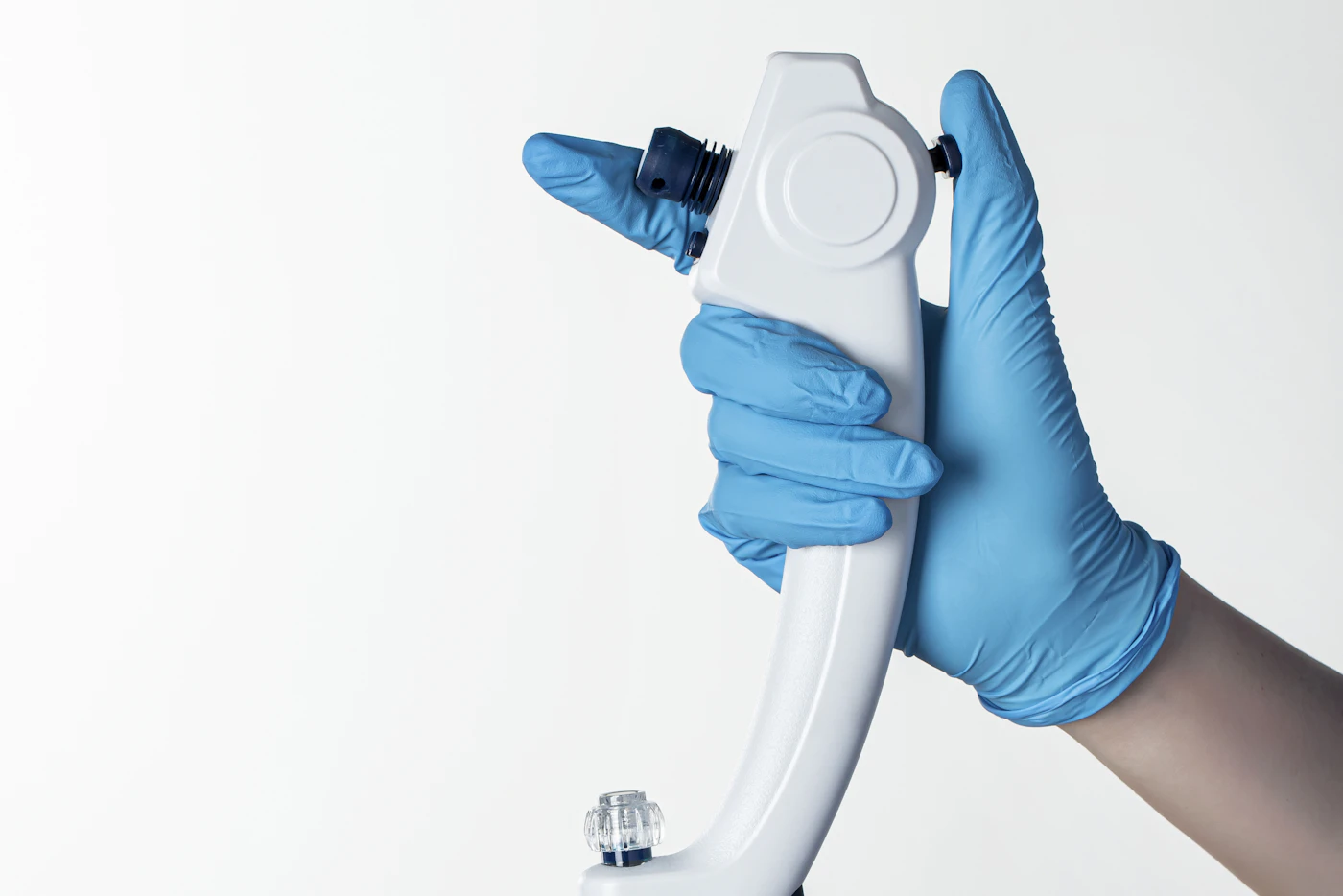
Otolaryngology claims draw on surgical, endoscopy and audiology code families. These are the ones we see most, with the site, side and coverage questions each one raises.
| Code | What it covers | What payers look for |
|---|---|---|
| 99202 to 99215 | Office visits (E/M) | The level matches the decision making or time documented; modifier 25 with a same-day procedure only when the visit is separate. |
| 31231 | Diagnostic nasal endoscopy | Included in a surgical sinus endoscopy on the same side; a same-day visit needs a separate reason. |
| 31575 | Flexible diagnostic laryngoscopy | The indication and findings documented; included in surgical laryngoscopy. |
| 31253 to 31288 | Endoscopic sinus surgery | One code per sinus and side, with 50 or RT and LT. |
| 31295 to 31298 | Balloon sinus dilation | Per sinus; not with surgical treatment of the same sinus in the same session. |
| 69436 | Tympanostomy tubes under general anesthesia | Per ear, with RT, LT or 50. |
| 4282042821 | Tonsillectomy and adenoidectomy, by age | The code matches the patient's age group. |
| 6920969210G0268 | Cerumen removal by irrigation or instrumentation | Per ear for 69209 and 69210; G0268 for Medicare when done with audiologic testing the same day. |
| 9255792567 | Comprehensive audiometry and tympanometry | An order or, for Medicare, modifier AB once every 12 months. |
| V5000 to V5299 | Hearing aids and fitting | Excluded by Medicare; plan benefits and patient estimates checked first. |
The same procedure on both sides, where the code is not already bilateral.
The side treated, for plans that want each side on its own line.
Medicare: non-acute hearing testing by an audiologist without an order, once every 12 months.
Medicare: hearing aid services, billed so a secondary plan has the denial.
A procedure on a separate site from another procedure the same day. Our modifier 59 guide
Sources: Medicare NCCI Policy Manual, chapter V (respiratory system) and chapter VIII (auditory system); CMS CY 2023 Physician Fee Schedule final rule (audiology without an order); Medicare Benefit Policy Manual, chapter 16 (hearing aid exclusion). CPT is a registered trademark of the American Medical Association; the descriptions above are summaries. Reviewed October 2026.
It is not for every practice. If you are a hospital-employed group whose billing the hospital handles, you do not need us. And if your in-house team keeps denials low and receivables current, keep them, and consider a periodic billing audit instead.
We look at your clean-claim rate, your denials by payer and reason, sinus and ear coding by site and side, scope bundling, audiology coverage, and your aging receivables, and tell you what we find, whether or not you go further with us.
We get access to your practice management system and clearinghouse, load each payer's authorization and bundling rules and your fee schedules, list open surgical global periods and hearing aid accounts, and agree how escalations work. Most practices are live within one to two weeks.
Visits, scopes and procedures are coded and claims submitted within 24 hours. Rejections are corrected the same day, remittances posted as they arrive, site, side and bundling checked, and denials worked to their cause, all inside your system.
A report you can read in ten minutes: what was billed and collected by payer, site and service line, what was denied and why, authorizations pending, and what is aging.
You do not change systems to work with Summit Billing Solutions. We work in the practice management and EHR systems below, and through the clearinghouse you already use. If your EHR is not shown, ask; the list grows as we onboard practices.


Each sinus, ear and side in your notes is mapped to its code, with included scopes removed and bilateral rules applied, before the claim goes out.
You know who is working your account, and you hear from them every week. A familiar face, not a ticket queue.
If we are not earning the relationship, you can leave. That keeps us honest.
Summit is a US company based in Salem, New Hampshire, billing for practices nationwide with the state-by-state payer and Medicaid knowledge that takes.
95-98%
First-pass claim rate
24 hrs
Claims submitted within
28
Average days in A/R
An ENT practice mixes high-value surgery with many smaller office scopes and hearing tests, and some companies price each claim the same. A share of collections ties our fee to what your claims actually pay, whichever kind they are.
Summit Billing Solutions charges between 3% and 9% of monthly collections. Your rate depends on the split between office, surgery and audiology work, surgical volume, how much is self-pay hearing care and how clean the receivables are, which we see in the free account review.
3% to 9%
of monthly collections
We bill for more than 40 specialties, for practices in all 50 states, from Salem, New Hampshire. Each one has its own codes, modifiers and payer rules.
A free account review looks at your clean-claim rate, your denials by payer and reason, sinus and ear coding by site and side, scope bundling and audiology coverage, and your aging receivables, and tells you what we would change. No cost, no obligation, and no pressure to continue. What the review covers, step by step, is on the free account review page.
50A Northwestern Dr Ste 3, Salem, NH 03079-4827
603-207-3172
(866) 906-3116
info@summitbillingsolutions.com
Mon - Fri @ 9am - 5pm


