

Pediatric billing for solo and group practices: well-child visits and same-day sick care, vaccines from private and state supply, newborn care, and Medicaid, CHIP and commercial plans, worked inside the software you already use.
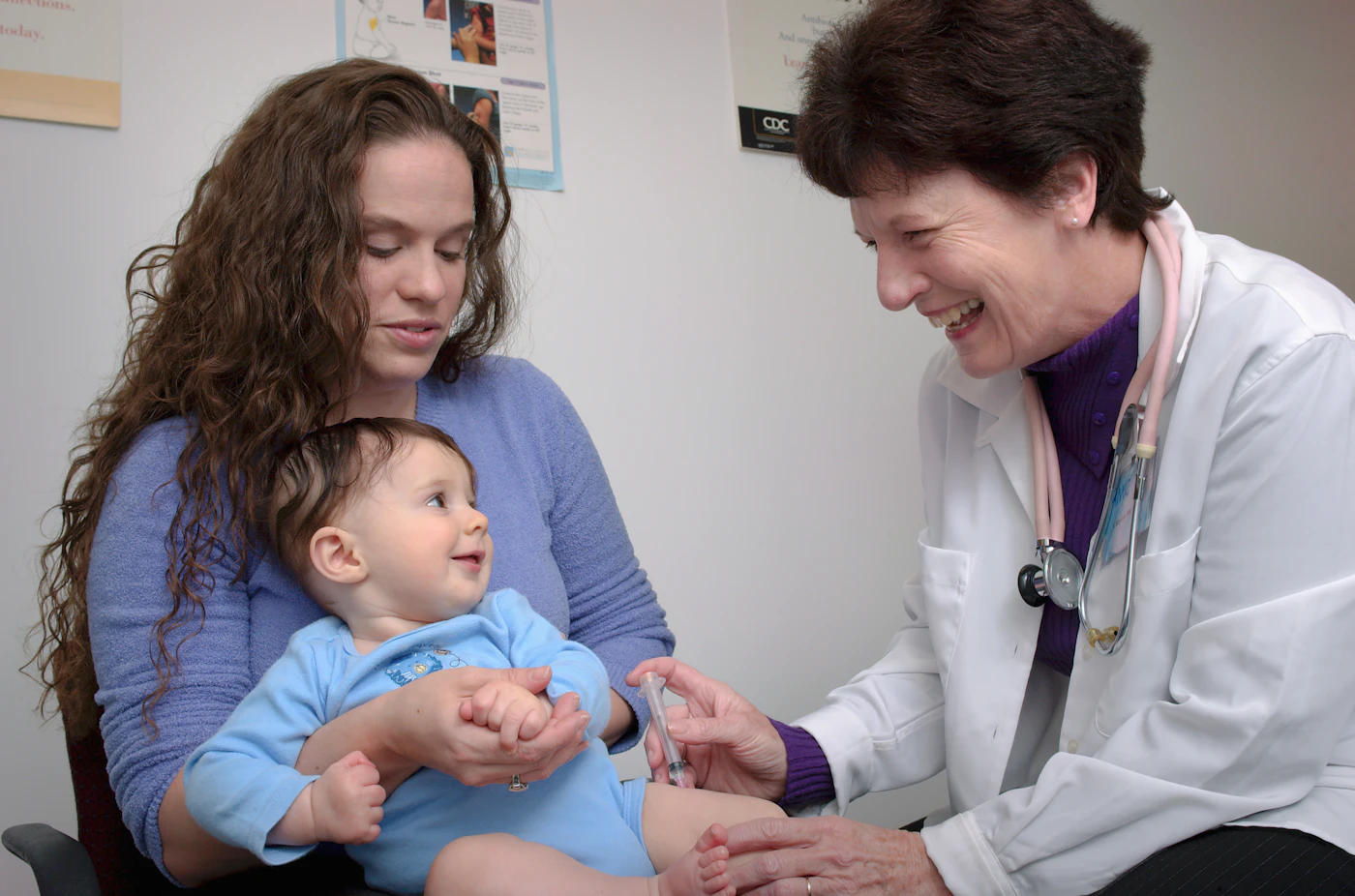

Pediatric billing services turn every well visit, sick visit and vaccine into a paid claim. Coverage and plan assignment are checked before the visit, each service is coded by the child’s age and what the note documents, vaccines are billed by supply source and age, and every payment, denial and family balance is followed until it is resolved.
49%
of US children were enrolled in Medicaid or CHIP in October 2024, according to an AAP analysis of CMS data
1 in 2
US children under 19 receive their vaccines through the federal Vaccines for Children program
Pediatrics runs on two payer worlds at once. Nationally, about half of children are covered by Medicaid or CHIP, each state with its own rules and managed care plans, and most of the rest by commercial plans with their own preventive benefits. Vaccines add a third layer: the same shot is billed one way from private stock and another way from state-supplied stock.
Vaccines are where pediatric revenue leaks quietly. An administration code that does not match the child’s age or the counseling documented, or a product billed for a state-supplied dose, costs money on every claim, so we check them before the claim goes out.
Most pediatric practices bill Medicaid, commercial plans and vaccines in the same session, often for the same child.
Pays forWell-child and sick visits, screenings and vaccine administration under each state’s EPSDT rules, often through a Medicaid managed care plan.
Where it breaks
What we do
Pays forThe administration of every vaccine, and the vaccine itself when it comes from your private stock rather than state supply.
Where it breaks
What we do
Pays forPreventive visits by age, problem visits under the family’s cost share, and newborn care in the hospital and the office.
Where it breaks
What we do
Every vaccine claim has two parts: the vaccine product and its administration. For patients through age 18, when the physician or other qualified health care professional counsels the family about the vaccine, administration is billed with 90460 for the first component of each vaccine and 90461 for each additional component. Without that counseling, or for patients 19 and older, it is 90471 and 90472, per vaccine.
Doses from the Vaccines for Children program are free to the practice, so the product is not billed at the private price. Payers handle those doses differently, with a zero-dollar product line or a state-supply modifier, and the claim has to follow the payer’s method.
What we do: before a vaccine claim goes out, we check the administration codes against the child’s age and the counseling documented, and the product lines against the supply source. If they do not match, we tell you the same day, rather than send a claim that underpays or bills a free dose.
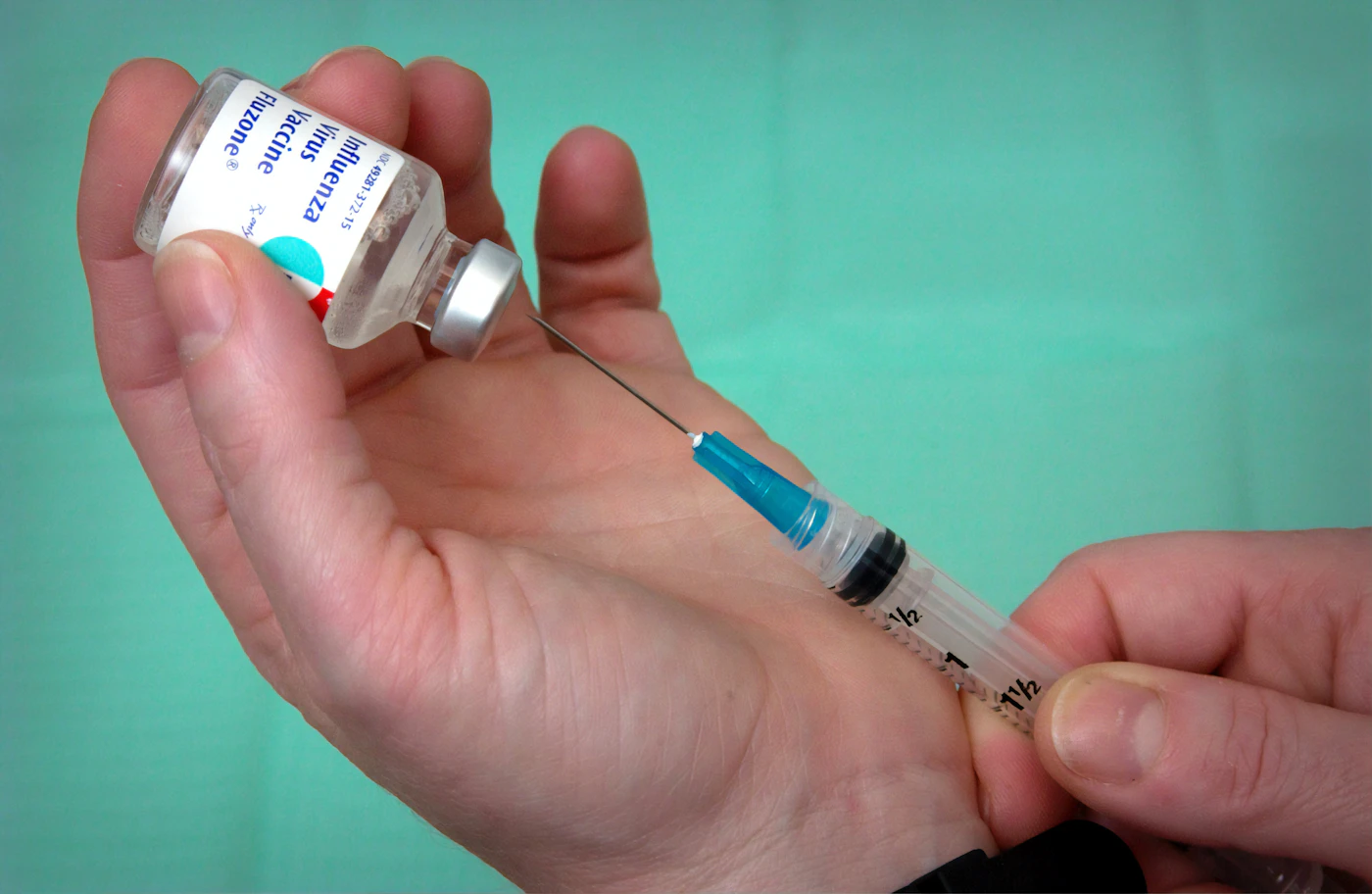
Well visits, sick visits and vaccines account for most pediatric claims. The table shows each one and what payers look for. Medicaid rules vary by state, so we check each state’s and plan’s policy before the claim goes out.
| Code | What it covers | What payers look for |
|---|---|---|
| 99381 to 9938499391 to 99394 | Well-child visits, new and established, by age through 17 | The age band and new or established status match the child, with a routine exam diagnosis such as Z00.121 or Z00.129. |
| 99202 to 99215 | Sick visits (E/M) | The level matches the decision making or time documented. With a well visit the same day, modifier 25 and separate documentation. |
| 9046090461 | Vaccine administration with counseling, through age 18 | Counseling documented; 90461 for each additional vaccine component. |
| 9047190472 | Vaccine administration without counseling | One line per vaccine, not per component. |
| 9946099462 | Newborn care, initial and subsequent hospital days | Billed under the newborn once coverage is confirmed, not under the parent. |
| 99463 | Newborn admitted and discharged the same day | Used instead of 99460 when the baby goes home on the day of birth. |
| 96110 | Developmental screening, per instrument | A standardized instrument, scored and documented.MedicaidEPSDT often requires it at set ages. |
| 96127 | Brief emotional or behavioral assessment | Per standardized instrument, such as depression screening for adolescents. |
| 99173 | Vision screening, quantitative, both eyes | A screening test with a chart, not a full eye exam. |
| 92551 | Hearing screening, pure tone, air only | Billed when screening audiometry is done and recorded. |
| 3641683655 | Capillary blood draw and lead test | The result documented.MedicaidLead screening is required at set ages under EPSDT. |
A significant, separately documented problem handled during a well visit. Modifier 25 explained
Identifies a dose from state or VFC supply, for payers that use it in place of a zero-dollar product line.
Marks a service as part of the Medicaid EPSDT program, in states that require it.
Tells a commercial plan the service is preventive under the ACA, so no cost share applies.
A procedure that is separate from another one billed the same day, used only when the documentation shows it. Our modifier 59 guide
A synchronous audio-video visit, where the payer requires the modifier.
Sources: CPT guidelines for preventive medicine, newborn care and immunization administration; CMS EPSDT program guidance; state Medicaid billing manuals. CPT is a registered trademark of the American Medical Association; the descriptions above are summaries. Reviewed October 2026.
It is not for every practice. If your in-house biller keeps Medicaid denials low, vaccine claims clean and receivables current, keep them, and consider a periodic billing audit instead.
We look at your clean-claim rate, your denials by payer and reason, vaccine administration coding, sick visits billed with well visits, and your aging Medicaid and commercial balances, and tell you what we find, whether or not you go further with us.
We get access to your practice management system and clearinghouse, load your state's Medicaid and managed care rules and your fee schedules, set up eligibility checks for your schedule, and agree how escalations work. Most practices are live within one to two weeks.
Visits are coded and claims submitted within 24 hours. Rejections are corrected the same day, remittances posted as they arrive, vaccines billed by supply source and age, and denials worked to their cause, all inside your system.
A report you can read in ten minutes: what was billed and collected by payer, what was denied and why, vaccine revenue by supply source, and what is aging.
You do not change systems to work with Summit Billing Solutions. We work in the practice management and EHR systems below, and through the clearinghouse you already use. If your EHR is not shown, ask; the list grows as we onboard practices.


Your claims are worked by billers who handle Medicaid plans, vaccine administration and newborn care every day, not once a quarter.
You know who is working your account, and you hear from them every week. A familiar face, not a ticket queue.
If we are not earning the relationship, you can leave. That keeps us honest.
Summit is a US company based in Salem, New Hampshire, billing for practices nationwide with the state-by-state payer and Medicaid knowledge that takes.
95-98%
First-pass claim rate
24 hrs
Claims submitted within
28
Average days in A/R

Summit Billing Solutions is a game changer for any practice. The team is dedicated, professional, and beyond diligent in every aspect of the billing process. Together we work on making every penny and minute count.

Pediatric practices bill many visits and vaccines, often to Medicaid and CHIP plans that pay less and deny more. A billing company can be paid by the claim, by the month or as a share of what it collects, and a share of collections gives it a reason to chase every one of those smaller claims.
Summit Billing Solutions charges between 3% and 9% of monthly collections. What moves the number for a pediatric practice is visit volume, the share of Medicaid and CHIP patients, vaccine volume, and how clean the receivables are when we take them on, which is why we quote your exact rate after the free account review, not before.
3% to 9%
of monthly collections
We bill for more than 40 specialties, for practices in all 50 states, from Salem, New Hampshire. Each one has its own codes, modifiers and payer rules.
A free account review looks at your clean-claim rate, your Medicaid denials, vaccine administration coding and your aging receivables, and tells you what we would change. No cost, no obligation, and no pressure to continue. What the review covers, step by step, is on the free account review page.
50A Northwestern Dr Ste 3, Salem, NH 03079-4827
603-207-3172
(866) 906-3116
info@summitbillingsolutions.com
Mon - Fri @ 9am - 5pm





Our office was drowning from past billing errors and we needed a billing company that understood pediatric billing and Georgia medicaid. Since taking over our RCM department they conducted a deep dive into our history to uncover significant revenue previously lost to billing errors and overlooked claims.