

Oncology billing services for chemotherapy, infusions and office visits

Oncology and hematology billing for practices and groups: chemotherapy and immunotherapy infusions, the drugs billed by the unit, injections and transfusions, office visits and bone marrow procedures, worked inside the software you already use by a US-based team.

Clinicians caring for a patient seated in an infusion chair
Google logo
Rated 4.9 on Google★★★★★

What oncology billing services include

Oncology billing services turn every visit, infusion and drug into a paid claim. Each administration is coded from the start and stop times documented, each drug is billed by the dose given with the right units and modifiers, authorizations are in place before treatment, and every payment, denial and patient balance is followed until it is resolved.

$114M

in improper Medicare payments to hematology and oncology in CMS’s 2025 review, at a 1.7% improper payment rate

66.8%

of those hematology and oncology errors were missing or insufficient documentation, and another 31.2% were incorrect coding

An oncology claim carries some of the most expensive lines in medicine. Drugs are paid by the unit, so a wrong unit count, a missing NDC or an unreported waste amount can cost more than everything else on the claim. The administration codes depend on the order, the method and the minutes of each infusion, and plans want authorization for the regimen before the first dose. A low error rate still means large dollars when each line can be worth thousands.

The infusion record decides the claim. That is why we check the drugs, doses, units and start and stop times on every treatment day before the claim goes out, not after it is underpaid or returned.

Three kinds of oncology claims, three sets of rules

Most oncology practices bill infusions, drugs and office visits every day, often for the same patient on the same day. Each one pays differently and fails in its own way. Here is where each breaks, and what we do about it.

Chemotherapy and infusions

Pays forChemotherapy, immunotherapy, hydration and supportive infusions and injections, coded by method, order and time.

Where it breaks

What we do

Drugs and authorizations

Pays forChemotherapy, immunotherapy, biosimilars and supportive drugs, billed by HCPCS unit with the administration.

Where it breaks

What we do

Visits, labs and procedures

Pays forOffice visits, bone marrow biopsies, transfusions and port care on treatment and follow-up days.

Where it breaks

What we do

Chemotherapy administration: initial, sequential and concurrent

Each infusion day is billed with one initial administration code, and every other service is coded by how it relates to that one. Chemotherapy by infusion is 96413 for up to the first hour, with 96415 for each additional hour, counted once more than 30 minutes of the next hour have passed. A second chemotherapy drug infused after the first is a sequential infusion (96417); other drugs are coded as sequential (96367) or, when infused at the same time, concurrent (96368). Chemotherapy pushes are coded separately: 96409 for the first and 96411 for each additional drug.

The minutes come from the start and stop times in the infusion record, so a note that only lists the drugs cannot support the hours billed. Hydration is billed only when it is medically necessary and runs 31 minutes or more on its own, not while chemotherapy is infusing. In the office, the initial code is the primary reason for the visit; hospital outpatient departments follow the CPT order of chemotherapy, then other therapeutic infusions, then hydration.

What we do: before a treatment day is billed, we read the infusion record for each drug, dose, route and start and stop time, code the initial, sequential and additional hours from it, and match the drug units and waste to the doses given. If a time or dose is missing, we ask the clinic the same day.

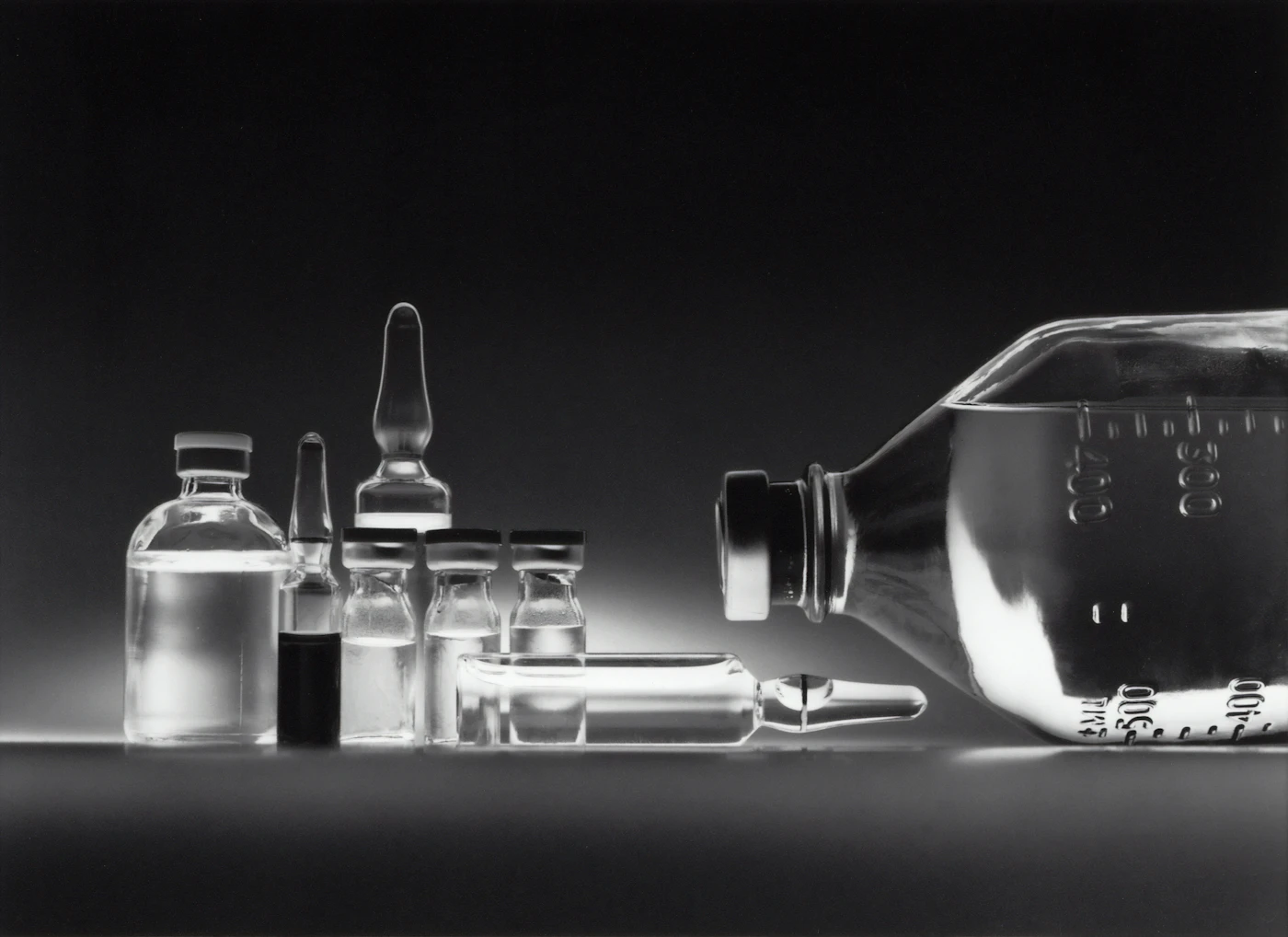
Glass medication vials and an IV fluid bottle on a dark surface
Infusion day billing checklist

Before you bill

  1. Times: the start and stop time of every infusion, and the time of each push
  2. Drugs: each drug, dose and route, from the administration record
  3. Vials: single-dose or multi-dose, and any amount discarded
  4. Authorization: the approved regimen, drugs and dates

What goes on the claim

  1. Initial: one initial administration code per encounter, unless a separate IV site was required
  2. Additional time: 96415 for each hour of chemotherapy beyond the first, once past 30 minutes
  3. Other drugs: 96417 for sequential chemotherapy; 96367 or 96368 for other sequential or concurrent infusions
  4. Drug lines: HCPCS units from the dose, the NDC where required, and JZ or JW
Sources: CPT drug administration guidelines; Medicare Claims Processing Manual, chapter 12 (physician services) and chapter 17 (drugs and biologicals); CMS JW and JZ Modifier FAQs; CMS, 2025 Medicare Fee-for-Service Supplemental Improper Payment Data.

The oncology codes and modifiers we bill every day

These are the codes behind most oncology claims, and what payers look for on each one. Commercial plans add their own authorization and bundling rules, and we check each one.

Oncology codes and what payers look for
CodeWhat it coversWhat payers look for
99202 to 99215Office visits (E/M)The level matches the decision making or time documented; modifier 25 with a same-day procedure only when the visit is separate.
9641396415Chemotherapy infusion, first hour and each additional hourStart and stop times documented; an additional hour once more than 30 minutes past the hour.
96417Each additional sequential chemotherapy infusion, up to one hourA different drug given after the first, timed separately.
9640996411Chemotherapy by IV push, first drug and each additional drugCoded by drug, with the administration documented.
9640196402Chemotherapy injection under the skin or into muscle, non-hormonal and hormonal96402 for hormonal therapy such as leuprolide; the drug billed separately by units.
963659636796375Other drug infusions and pushes: initial, sequential and pushSupportive drugs such as antiemetics, coded by order and method.
9636096361HydrationOnly when medically necessary and 31 minutes or more, not during chemotherapy.
96523Port flushBilled only when it is the only service that day.
38222Bone marrow biopsy and aspirationOne combined code when both are done at the same session.
36430Blood transfusionBilled once per session, with the blood product billed by its supplier.
J-codesQ-codesChemotherapy, immunotherapy and biosimilar drugsUnits from the dose given, the NDC where required, JZ or JW, and authorization for the regimen.

Modifiers that decide the claim

25

Separate visit

An office visit on a treatment day that is significant and separate from the administration. Modifier 25 explained

JZ

No drug discarded

Required by Medicare on single-dose drugs when the whole dose was given.

JW

Drug discarded

The unused amount of a single-dose vial, billed on its own line.

59 / XS

Separate IV site

A second initial administration when the protocol required a separate IV site.

EA

Anemia from chemotherapy

Medicare: an erythropoiesis stimulating agent given for anemia caused by chemotherapy, with the lab value the payer requires.

GA

ABN on file

Medicare: a drug or service that may not be covered for the diagnosis, with a signed Advance Beneficiary Notice.

Sources: Medicare Claims Processing Manual, chapter 12 (physician services) and chapter 17 (drugs and biologicals); Medicare National Coverage Determination 110.21 (erythropoiesis stimulating agents in cancer); CMS JW and JZ Modifier FAQs; Medicare NCCI Policy Manual, chapter XI (medicine). CPT is a registered trademark of the American Medical Association; the descriptions above are summaries. Reviewed October 2026.

Who oncology billing services are for

It is not for every practice. If you are a hospital-employed group whose billing the hospital handles, you do not need us. And if your in-house team keeps denials low and receivables current, keep them, and consider a periodic billing audit instead.

How we take over your billing

  1. Free account review

    We look at your clean-claim rate, your denials by payer and reason, infusion coding and times, drug units and waste modifiers, authorizations, and your aging receivables, and tell you what we find, whether or not you go further with us.

  2. Onboarding

    We get access to your practice management system and clearinghouse, load each payer's authorization and bundling rules and your fee schedules, list open authorizations and active treatment plans, and agree how escalations work. Most practices are live within one to two weeks.

  3. Daily billing

    Visits, infusions and drugs are coded and claims submitted within 24 hours. Rejections are corrected the same day, remittances posted as they arrive, infusion times, drug units and waste modifiers checked, and denials worked to their cause, all inside your system.

  4. Monthly reporting

    A report you can read in ten minutes: what was billed and collected by payer, site and service line, what was denied and why, authorizations pending, and what is aging.

We work with your software

You do not change systems to work with Summit Billing Solutions. We work in the practice management and EHR systems below, and through the clearinghouse you already use. If your EHR is not shown, ask; the list grows as we onboard practices.

athenahealth EHR and revenue cycle management software logo
eClinicalWorks EHR software logo
NextGen Healthcare EHR software logo
Allscripts EHR software logo
HealthFusion MediTouch EHR software logo
CureMD EHR and practice management software logo
AdvancedMD practice management and medical billing software logo
Tebra practice management and medical billing software logo
Availity clearinghouse logo
Office Ally clearinghouse and practice management software logo

Why oncology practices choose Summit Billing Solutions

Oncology rules, applied daily

Your claims are worked by billers who handle infusion coding, drug units, waste modifiers and regimen authorizations every day, not once a quarter.

A named contact and a weekly call

You know who is working your account, and you hear from them every week. A familiar face, not a ticket queue.

Month to month, no long-term lock-in

If we are not earning the relationship, you can leave. That keeps us honest.

A US-based team, serving all 50 states

Your claims are worked in the United States, with the state-by-state payer and Medicaid knowledge that takes.

Results and reviews

2%

Average claim rejection rate

24 hrs

Claims submitted within

28

Average days in A/R

Billing can easily become stressful and overwhelming, but with their team, the entire process feels organized, manageable, and under control.

Matthew Hersey
Matthew Hersey

Not only have they helped us streamline our operations, but their expertise has also maximized our revenue cycle, allowing us to focus more on patient care. The level of communication is outstanding; we always feel informed and supported.

Khadijah Cisse
Khadijah Cisse

Their organization and communication skills are impressive, allowing for effective and efficient collaboration.

Alan Almanzar
Alan Almanzar

Google logo
Rated 4.9 out of 5
Rated 4.9 by our clients on Google

How oncology billing pricing works

Most billing companies charge a percentage of what they collect; some charge a flat monthly fee or a per-claim rate. For an oncology practice, a percentage usually fits best: the company is paid when you are paid, so the incentive sits where it belongs.

Summit Billing Solutions charges between 3% and 9% of monthly collections. What moves the number for an oncology practice is the mix of visits and infusions, how many drugs you buy and bill, authorization volume, and how clean the receivables are when we take them on, which is why we quote your exact rate after the free account review, not before.

3% to 9%

of monthly collections

Questions oncology practices ask before switching

Most billing companies charge a percentage of collections, and a few charge a flat monthly or per-claim fee. Summit Billing Solutions charges between 3% and 9% of monthly collections. For an oncology practice, the rate depends on the mix of visits and infusions, how many drugs you buy and bill, authorization volume and the state of your receivables, and we quote your exact rate after the free account review.

Find out what your oncology billing is actually costing you

A free account review looks at your clean-claim rate, your denials by payer and reason, infusion coding and times, drug units, waste modifiers and authorizations, and your aging receivables, and tells you what we would change. No cost, no obligation, and no pressure to continue. What the review covers, step by step, is on the free account review page.

50A Northwestern Drive, Salem, NH 03079

603-207-3172

(866) 906-3116

info@summitbillingsolutions.com

Mon - Fri @ 9am - 5pm