

Urgent care billing for single and multi-site clinics: visit levels, procedures and point-of-care tests coded to each payer’s rules, global S-code and E/M contracts, workers’ compensation and self-pay, worked inside the software you already use by a US-based team.


Urgent care billing services turn every walk-in visit into a paid claim. Coverage is checked at the front desk, each visit, procedure and test is coded to what the note documents and what each payer’s contract wants, claims go out within 24 hours, and every payment, denial and patient balance is followed until it is resolved.
7.6%
of Medicare payments for new-patient office visits were improper in CMS’s 2025 review
77.6%
of those errors were incorrect coding, most of it visits billed at a higher level than the note supported
Urgent care bills like a busy primary care office and an emergency department at once: dozens of visits a day, many of them new patients, with procedures, X-rays and point-of-care tests on the same claim. Some payers pay a single global code for the visit; others want every service itemized. Getting that wrong on one claim is a nuisance. Getting it wrong on every claim is a lost month.
The visit level carries the claim. That is why our billing starts with the note: when it does not support the level billed, we tell you before the claim goes out, not after an audit.
Most urgent care centers bill per-visit global codes, itemized office visits and employer or self-pay accounts in the same shift. Each one pays differently and fails in its own way. Here is where each breaks, and what we do about it.
Pays forOne case rate for the visit through S9083 or a similar contract code, with only certain procedures and tests paid on top.
Where it breaks
What we do
Pays forAn office visit level for each patient, plus procedures, X-rays, injections and tests billed line by line.
Where it breaks
What we do
Pays forWork injuries billed to the employer’s carrier under the state fee schedule, employer services billed to the employer, and self-pay visits at your posted rates.
Where it breaks
What we do
An urgent care visit can be billed three ways: as a global per-visit code such as S9083, sometimes with the S9088 add-on; as an office visit (99202 to 99215) with place of service 20 and every procedure and test itemized; or under a workers’ compensation fee schedule. The right answer comes from the payer’s contract, not from the visit.
Medicare does not recognize S-codes, so Medicare visits are billed as office visits with place of service 20. Commercial, Medicaid and Medicare Advantage plans vary by contract and by state, which is why each payer’s rules have to be loaded before the first claim.
What we do: before a visit claim goes out, we check it against the payer’s contract and the note: the code set, the visit level and the separately billable services. If they do not match, we fix it the same day, rather than send a claim that will be underpaid or denied.
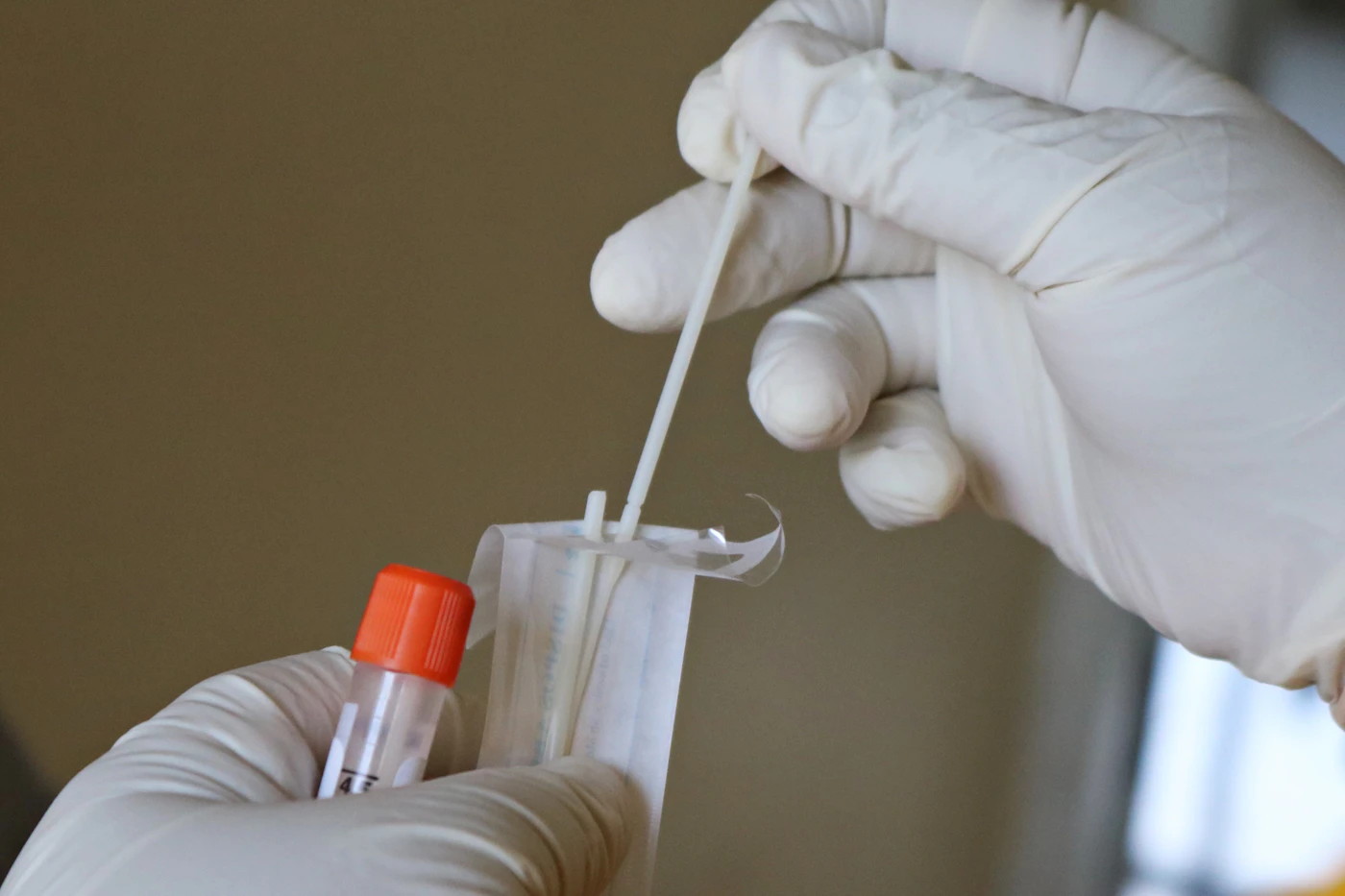
These are the codes behind most urgent care claims, and what payers look for on each one. Contracts vary, so we load each payer’s rules before the first claim goes out.
| Code | What it covers | What payers look for |
|---|---|---|
| S9083 | Global fee, urgent care center visit | A contract-specific case rate. See our S9083 billing guide.MedicareNot recognized; bill the office visit instead. |
| S9088 | Services provided in an urgent care center, add-on | Paid only where the contract lists it. |
| 99202 to 99215 | Office visits (E/M), new and established | The level matches the decision making or time documented, with place of service 20. |
| 99051 | Service during evening, weekend or holiday hours | Paid by some commercial plans.MedicareBundled into the visit, not paid separately. |
| 12001 to 12007 | Simple laceration repair, by total length | Lengths added together by site group and documented in centimeters. |
| 29125 | Short arm splint, static | The splint application; supplies follow each payer's rules. |
| 96372 | Therapeutic injection, intramuscular or subcutaneous | Billed with the drug code and units.MedicareJZ or JW on single-dose vials. |
| 87880 | Rapid strep test | A CLIA-waived test run under your certificate.MedicareQW modifier required. |
| 87804 | Rapid influenza test, per type | Billed once per influenza type tested, with QW for waived kits billed to Medicare. |
| 81002 | Urinalysis, non-automated, without microscopy | The result documented. Urinalysis was among Medicare's most error-prone services, with 22.1% of payments improper in CMS's 2025 review. |
| 7104673610 | Chest X-ray, 2 views; ankle X-ray, 3 views | Global when the center reads it; modifier TC when a radiologist bills the reading. |
An office visit that is significant and separate from a procedure done the same day, such as a laceration repair. Modifier 25 explained
Required by Medicare on many point-of-care tests run under a certificate of waiver.
A second test or procedure that is separate from another billed the same day. Our modifier 59 guide
Splits an X-ray between the center that took it and the radiologist who read it.
Required by Medicare on single-dose drug vials: JZ when nothing was discarded, JW on a line for the discarded amount.
A synchronous audio-video visit, where the payer requires the modifier.
Sources: Medicare Claims Processing Manual, chapters 12 and 16; CMS HCPCS and place of service code sets; CMS JW and JZ Modifier FAQs; CMS 2025 improper payment data. CPT is a registered trademark of the American Medical Association; the descriptions above are summaries. Reviewed October 2026.
It is not for every clinic. If you run a cash-only clinic that does not bill insurance, you need clear posted prices and a good point-of-sale process, not a billing service. And if your in-house team keeps denials low and receivables current, keep them, and consider a periodic billing audit instead.
We look at your clean-claim rate, your denials by payer and reason, visit levels against your notes, how each contract is being billed, and your aging receivables, and tell you what we find, whether or not you go further with us.
We get access to your practice management system and clearinghouse, load each payer's contract code set and fee schedule, set up eligibility checks at check-in, and agree how escalations work. Most clinics are live within one to two weeks.
Visits are coded and claims submitted within 24 hours. Rejections are corrected the same day, remittances posted as they arrive, case-rate and itemized payers billed their own way, and denials worked to their cause, all inside your system.
A report you can read in ten minutes: visits and collections by payer and by site, the spread of visit levels, what was denied and why, and what is aging.
You do not change systems to work with Summit Billing Solutions. We work in the practice management and EHR systems below, and through the clearinghouse you already use. If your practice management system is not shown, ask; the list grows as we onboard practices.


Your claims are worked by billers who handle S-code contracts, visit levels, point-of-care tests and workers' comp every day, not once a quarter.
You know who is working your account, and you hear from them every week. A familiar face, not a ticket queue.
If we are not earning the relationship, you can leave. That keeps us honest.
Your claims are worked in the United States, with the state-by-state payer and Medicaid knowledge that takes.
2%
Average claim rejection rate
24 hrs
Claims submitted within
28
Average days in A/R

Very efficient and responsive. The team at Summit are all well informed and hardworking. They do a great job with high patient volume and deadlines with insurance companies.

Summit Billing Solutions has been an outstanding partner to work with. Their team is responsive, knowledgeable, and consistently goes above and beyond.

Most billing companies charge a percentage of what they collect; some charge a flat monthly fee or a per-claim rate. For an urgent care center, a percentage usually fits best: the company is paid when you are paid, so the incentive sits where it belongs.
Summit Billing Solutions charges between 3% and 9% of monthly collections. What moves the number for an urgent care center is visit volume, how many payers pay a case rate rather than line by line, the share of workers’ compensation and self-pay, and how clean the receivables are when we take them on, which is why we quote your exact rate after the free account review, not before.
3% to 9%
of monthly collections
We bill for more than 40 specialties, for practices in all 50 states, from Salem, New Hampshire. Each one has its own codes, modifiers and payer rules.
A free account review looks at your clean-claim rate, your denials by payer and reason, visit levels against your notes, how each contract is being billed, and your aging receivables, and tells you what we would change. No cost, no obligation, and no pressure to continue. What the review covers, step by step, is on the free account review page.
50A Northwestern Drive, Salem, NH 03079
603-207-3172
(866) 906-3116
info@summitbillingsolutions.com
Mon - Fri @ 9am - 5pm





Summit Billing Solutions has been an outstanding partner for our urgent care. They really understand the fast pace and challenges of medical billing, from managing high patient volumes to working with different insurance plans.